


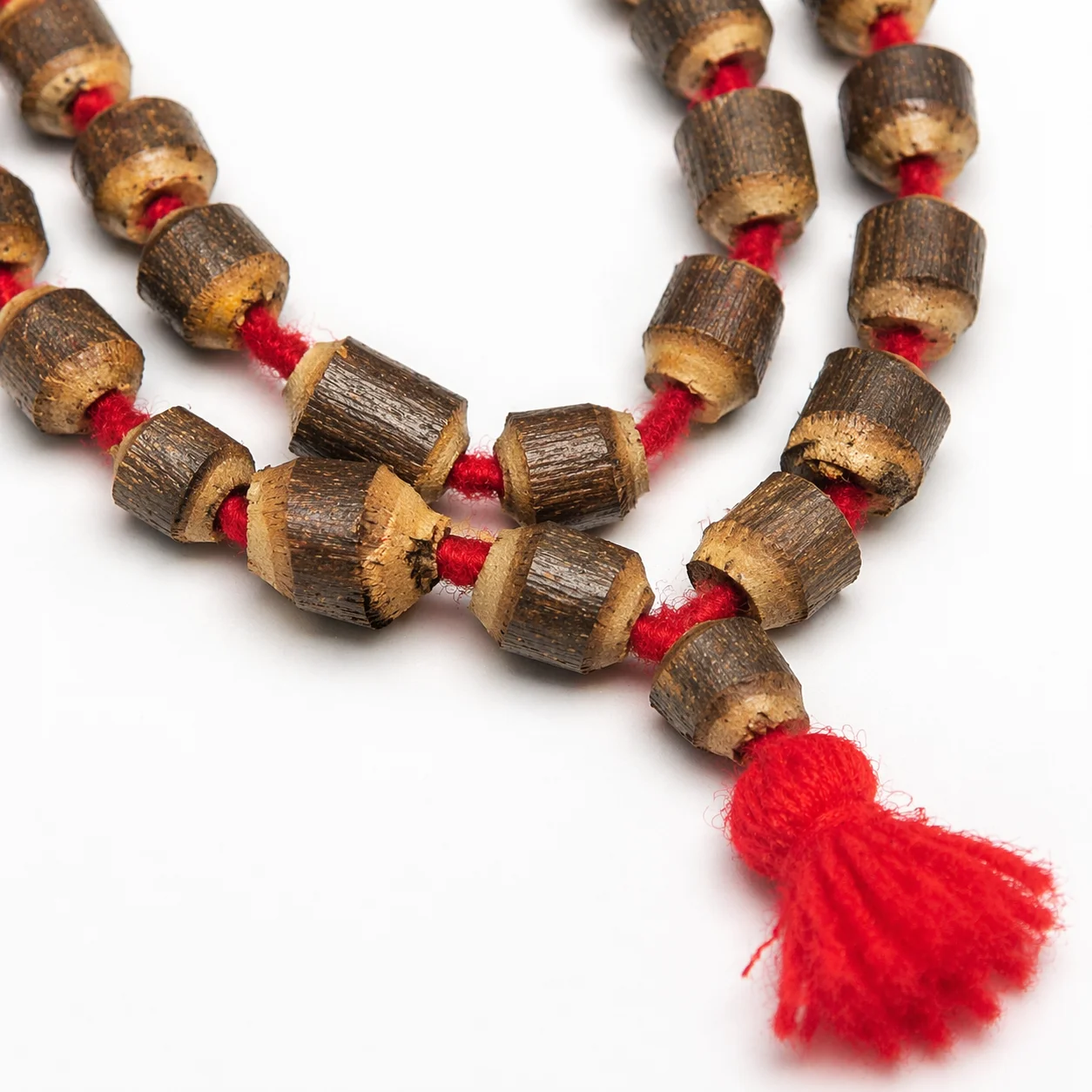
Product: Natural Tulsi Mala 108 Beads – Handcrafted Traditional Japa Mala
Material: 100% Natural Tulsi Wood (Holy Basil – Ocimum sanctum)
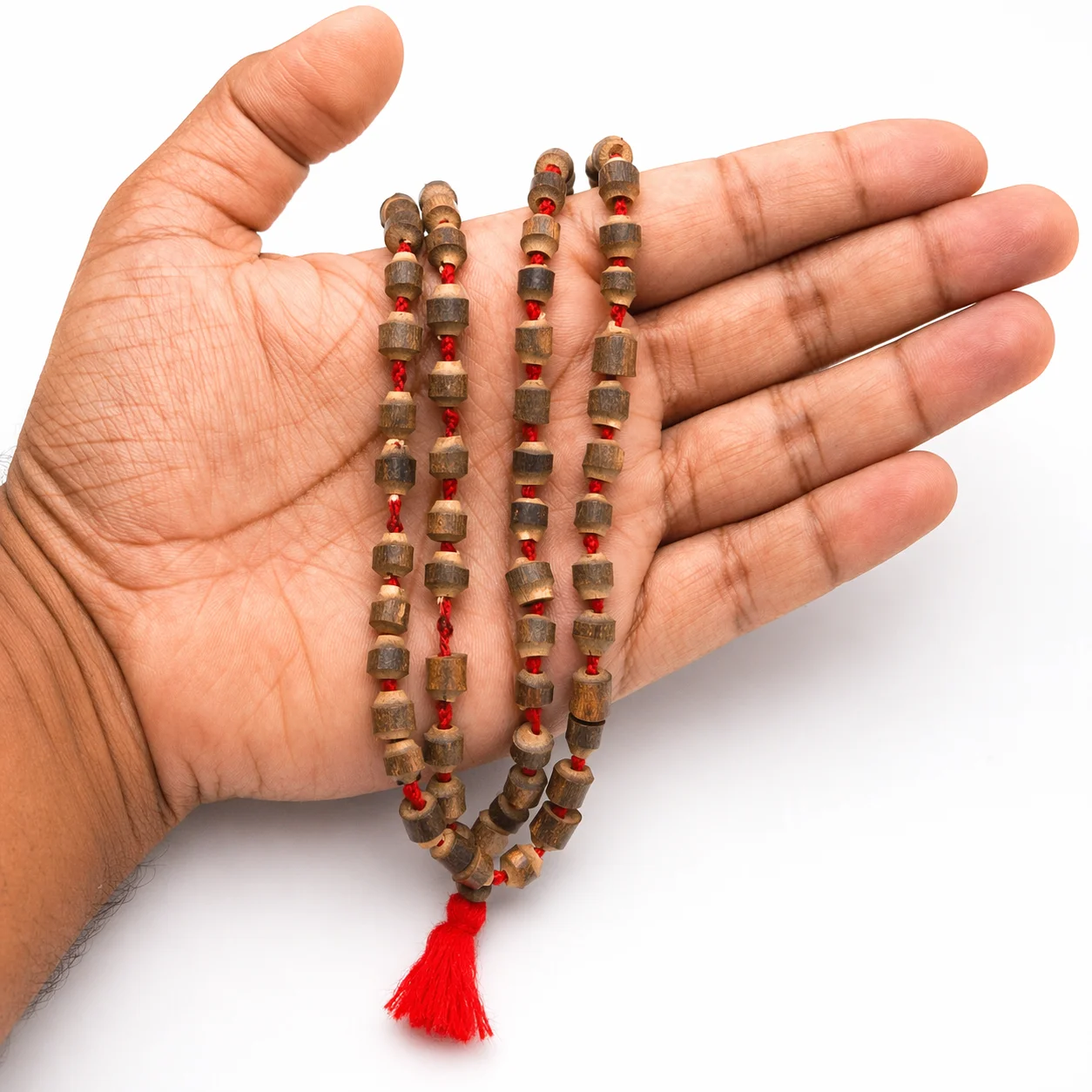
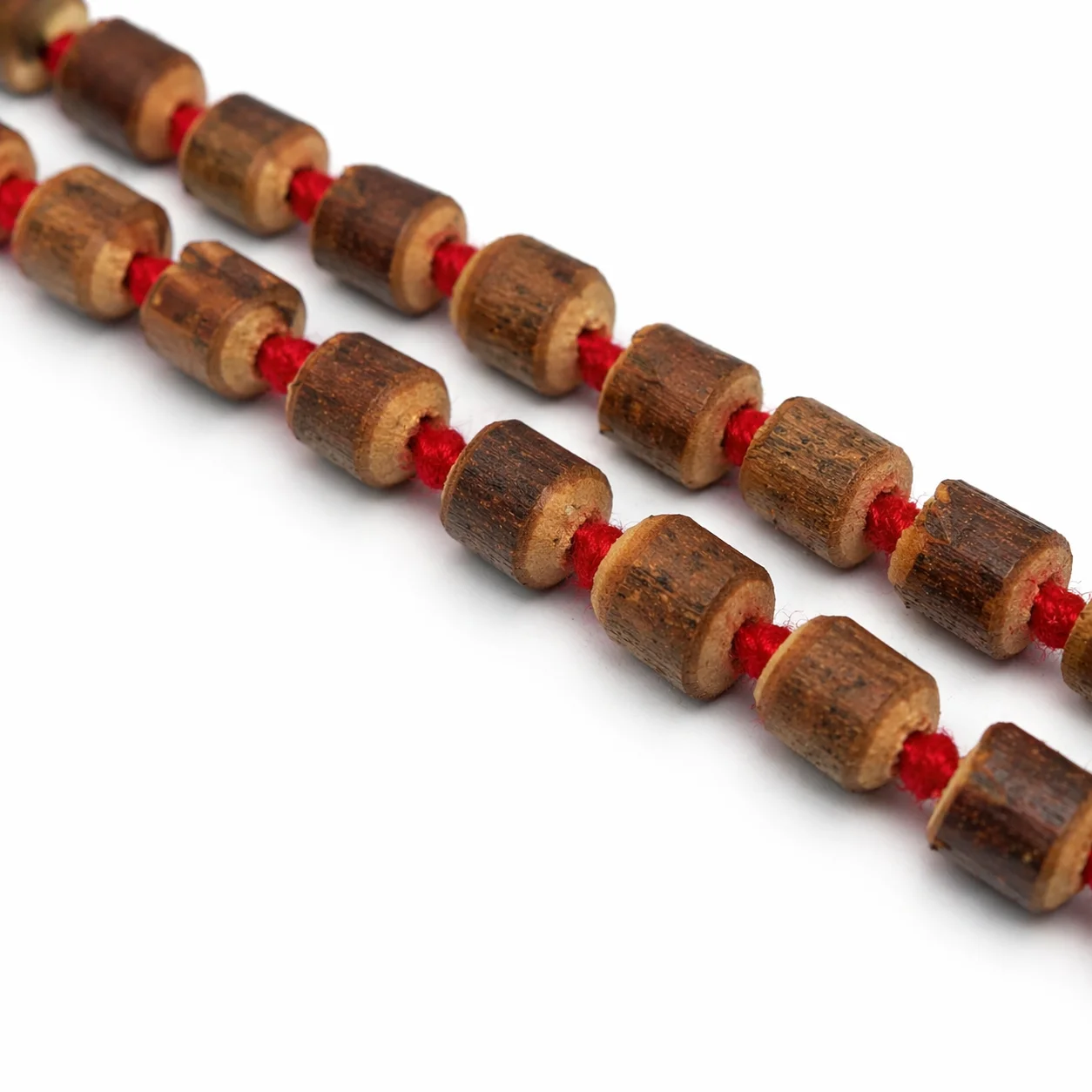
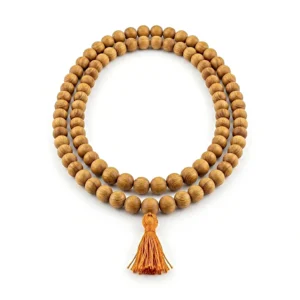
Bead Shape: Cylindrical Hand-Cut Beads (Not Round Polished)
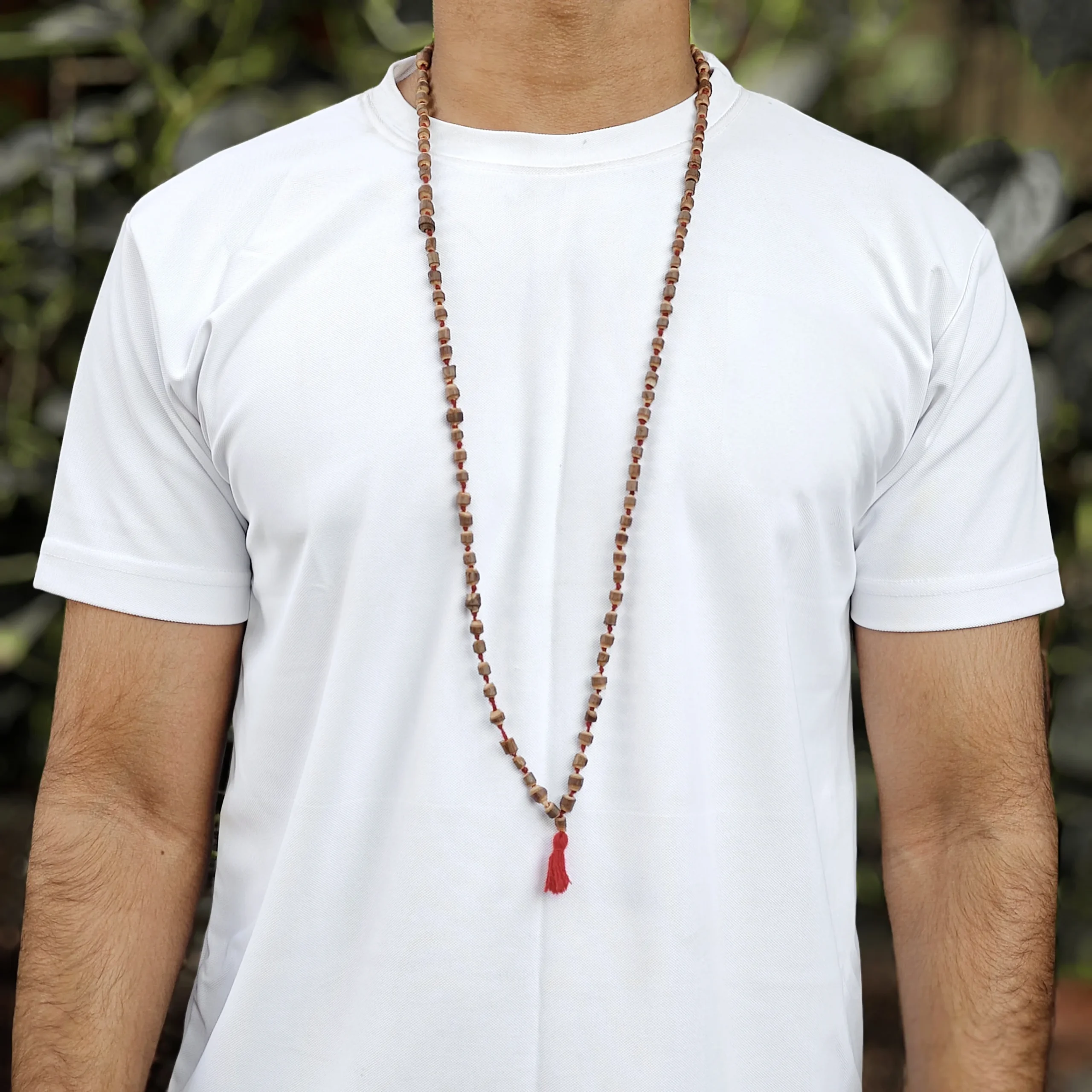
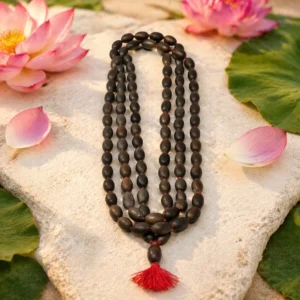
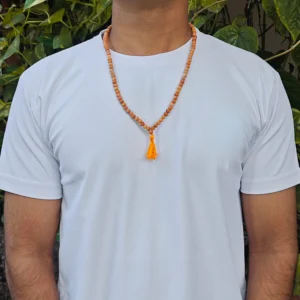
Bead Count: 108 Beads + 1 Guru Bead
Stringing: Red Cotton Thread – Handknotted Between Each Bead
Finish: Natural Unpolished Rustic Finish
Tassel: Traditional Red Thread Tassel at Guru Bead
Usage: Japa meditation, Maha Mantra chanting, ISKCON devotion, Krishna/Vishnu worship
View Significance, Care and Japa Usage Details
Natural Tulsi Mala 108 Beads – Traditional Handcrafted Japa Mala
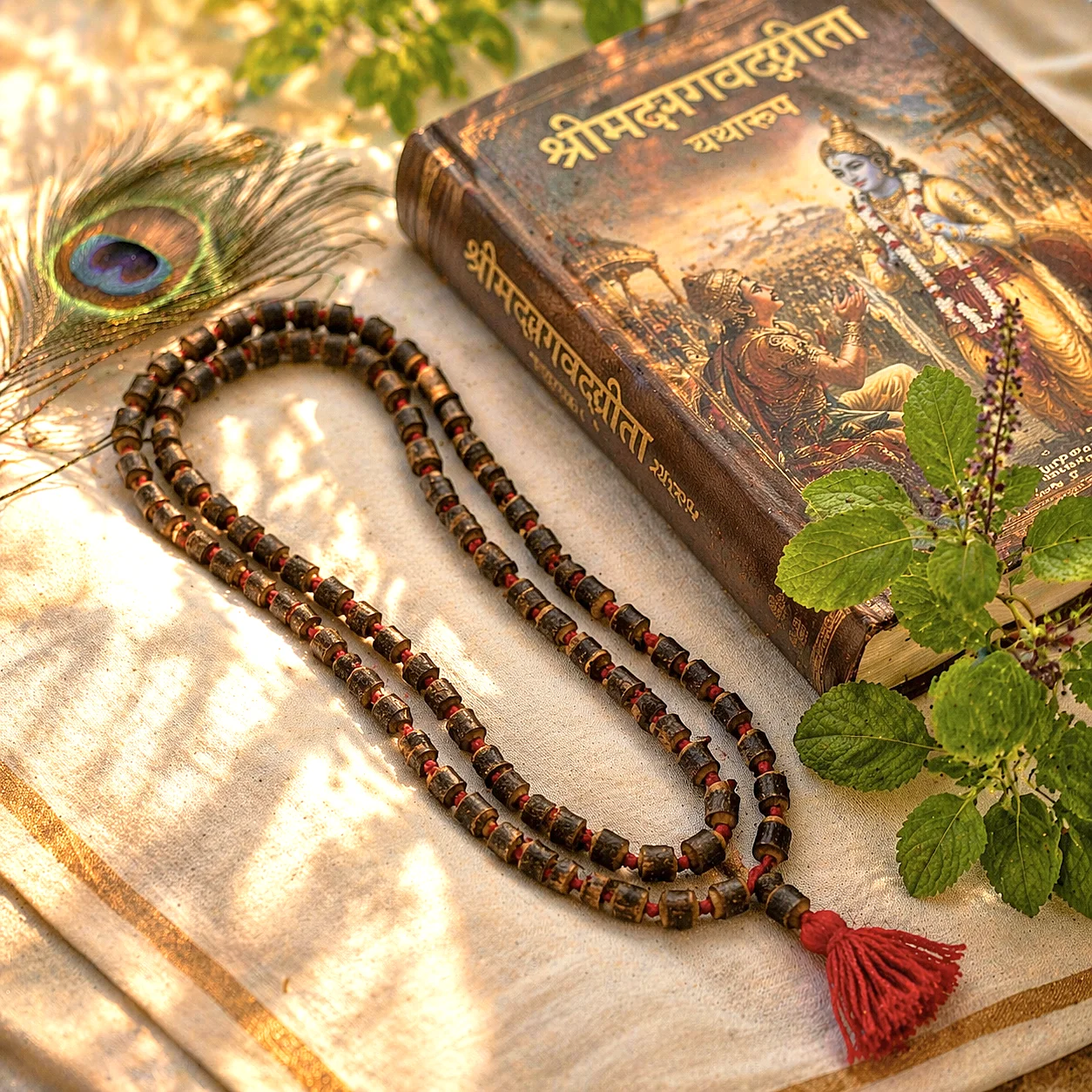
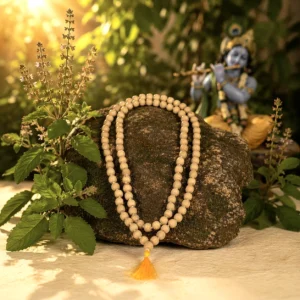
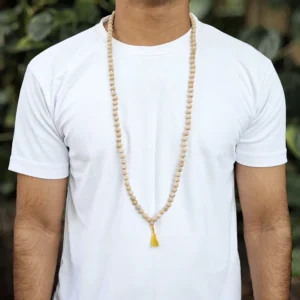
The handcrafted tulsi mala is an authentic traditional japa mala made from 100% natural Tulsi wood (Holy Basil) with cylindrical hand-cut beads in the classic Vrindavan style. Unlike machine-polished round Tulsi beads, this tulsi mala 108 beads handcrafted retains the natural shape, grain, and character of traditional Tulsi japa malas used by serious Vaishnavite devotees, ISKCON practitioners, and Hare Krishna bhaktas worldwide.
Devotees searching for handcrafted tulsi mala, traditional tulsi japa mala, vrindavan tulsi mala, or authentic tulsi mala 108 will find this mala to be the authentic real-deal choice — not the polished modern version, but the traditional rustic style preferred by devotees who value authenticity over aesthetics.
Each bead in this tulsi mala is individually hand-cut from natural Tulsi wood, showing visible wood grain, natural colour variations, and slight differences in size and shape from bead to bead. The beads are strung on durable red cotton thread with a traditional hand-tied knot between every single bead, finished with a red tassel at the guru bead.
Why Choose This Tulsi Mala 108 Beads?
- Authentic Traditional Style: Cylindrical hand-cut beads in the classic Vrindavan / ISKCON style — not machine-polished round beads
- Natural Tulsi mala 108 beads: 100% Holy Basil wood with visible natural grain and character
- Red Cotton Handknotted: Traditional red thread with hand-tied knots between each bead — the preferred style for serious Vaishnavite japa practice
- 108 Beads + Guru Bead: The sacred japa count with guru bead and red tassel finish
- Unpolished Rustic Finish: Retains the authentic look and feel of traditional handmade Tulsi malas
- Serious Japa Mala: Built for daily mantra practice, not display — the kind of mala experienced devotees prefer
The Sacred Significance of Tulsi Mala 108 beads
Tulsi, scientifically known as Ocimum sanctum, is one of the most sacred plants in Hindu tradition. Tulsi is traditionally worshipped as the plant form of Goddess Tulsi-Devi, considered the dearest devotee of Lord Vishnu. A tulsi mala 108 beads made from this sacred wood carries deep spiritual significance for:
- Krishna Consciousness: Used globally by ISKCON devotees and Hare Krishna practitioners for Maha Mantra japa
- Vishnu Bhakti: Traditional mala for worship of Lord Vishnu and all his incarnations
- Maha Mantra Chanting: “Hare Krishna Hare Krishna, Krishna Krishna Hare Hare, Hare Rama Hare Rama, Rama Rama Hare Hare”
- Rama Devotion: For Rama naam japa and Rama mantras
- Radha Krishna Worship: Devotional practice for the divine couple in Vaishnavite tradition
Handcrafted vs Polished Tulsi Mala 108 beads
This handcrafted Tulsi mala differs from machine-polished round Tulsi malas in important ways:
- Bead Shape: Cylindrical/tube shape vs perfectly round
- Finish: Natural unpolished vs smooth machine polish
- Character: Visible wood grain and natural variations vs uniform appearance
- Feel in Hand: Authentic tactile feedback during japa vs smooth glide
- Tradition: Classic Vrindavan/ISKCON style vs modern production style
Both are genuine Tulsi malas — the choice depends on personal preference. Serious japa practitioners often prefer the handcrafted style for its authenticity and traditional feel.
Tulsi Mala 108 Beads Care Instructions
Tulsi wood is softer than Karungali or Rudraksha and requires gentle care:
- Avoid prolonged water and moisture exposure — Tulsi wood absorbs moisture readily
- Keep away from perfume, deodorant, soap, and chemicals
- Do not soak in liquids under any circumstances
- Wipe gently with a soft dry cloth after use
- Store in a dry clean japa bag or pouch when not in use
- Handle the handknotted thread gently — do not pull or stretch
- Accept the gradual darkening of beads with use as a sign of authentic Tulsi wood
Traditional Japa Usage Guidelines
1. Cleanse Before First Use: Place in your pooja room for some time before starting japa.
2. Daily Japa Practice: Use for the Maha Mantra or your chosen Vaishnavite mantra — 16 rounds is the traditional ISKCON commitment.
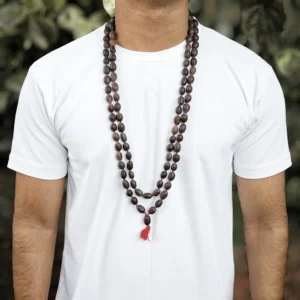
3. Proper Holding: Hold in right hand, drape over middle finger, and chant one mantra per bead using your thumb.
4. Do Not Cross the Guru Bead: After completing 108 repetitions, reverse direction instead of crossing the guru bead.
5. Keep in Japa Bag: Many ISKCON devotees use a cloth japa bag to keep the mala clean and carry it respectfully.
6. Remove Before Bathing: Protect the wood and thread from water and soap damage.
7. Personal Japa Mala: A personal japa mala used for mantra chanting is traditionally not shared with others.
Frequently Asked Questions
Q: Why are the beads cylindrical instead of round?
A: This is the traditional handcrafted Tulsi mala style used in Vrindavan and by ISKCON devotees worldwide. Each bead is individually hand-cut from Tulsi wood, retaining its natural cylindrical shape. This is preferred by serious japa practitioners over machine-polished round beads.
Q: Why do the beads look different from each other?
A: Each bead is hand-cut from natural Tulsi wood — no two beads are identical. Variations in size, shape, grain pattern, and colour tone are signs of authentic handcrafted Tulsi mala. Perfectly uniform beads are usually machine-produced and considered less traditional.
Q: Is this suitable for ISKCON Maha Mantra japa?
A: Yes. This handcrafted tulsi mala 108 beads is the traditional style used for the Maha Mantra — “Hare Krishna Hare Krishna, Krishna Krishna Hare Hare, Hare Rama Hare Rama, Rama Rama Hare Hare.” Many initiated ISKCON devotees prefer this authentic handcrafted style.
Q: Why is the finish rough and unpolished?
A: The natural unpolished finish is intentional — it retains the authentic character of handmade Tulsi wood. Machine polishing removes natural grain and character. Traditional devotees value this rustic finish as a sign of genuine handcrafted quality.
Q: Can I order a custom length or style?
A: Yes. Contact us via WhatsApp for custom bead count, length, or styling variations.
Explore more authentic spiritual products in our online store. Learn more about the sacred Tulsi plant at Wikipedia – Ocimum tenuiflorum.



Reviews
There are no reviews yet.